

RECLAIMING THE MUSICIAN'S BODY
PERFORMANCE HEALTH SPECIALIST
RECLAIMING THE MUSICIAN's BODY
PERFORMANCE HEALTH SPECIALIST
"True artistry lives in a state of heightened presence.
To master an instrument is first to understand the subtle architecture of one's own motion."
Every sound a musician produces carries, within its nuance, a direct reflection of the physical and mental state from which it arose. Music, in this sense, is the body made audible. And yet the traditions of conservatory training have long treated the body as secondary, a mechanism to be pushed toward acoustic results while its own needs remain largely unaddressed. Physical strain and fatigue are frequently accepted as an inevitable cost of serious performance, rather than understood for what they truly are, which is information about friction that has gone unresolved.
My own path toward this work began out of necessity rather than intention. Years of rigorous training left me facing physical limitations that technique alone could not resolve, and the educational framework I had trusted offered no real answers. What that search eventually revealed has become foundational to everything I now do, which is the understanding that an artist's musical expression exists in direct resonance with their physical and mental condition, so that even minor strain within the body ultimately reaches, and subtly diminishes, the sound that reaches the audience.
It is my belief that gaining real clarity over one's own physical mechanics is profoundly empowering, offering musicians a form of agency over their own health, longevity, and creative freedom that conservatory training rarely provides, and transforming the act of practice from a test of endurance into a process of genuine self mastery.
There is a difference between seeking help when in pain and seeking to understand where the pain began. Many musicians are quick to consult a physiotherapist or a doctor once discomfort becomes acute, and rightly so, since that care is often necessary and valuable in its own right. But treatment of this kind tends to address what has already gone wrong, rather than the patterns that allowed it to happen in the first place.
Lasting change asks for something different, a willingness to look closely and consistently at habits built over years, CULTIVATING A CURIOSITY THAT BEGINS LONG BEFORE THE BODY ISSUES ITS FIRST WARNING.
It is also worth naming a belief that many serious musicians carry without examining it, the assumption that mastery is a destination, a point at which one has finally learned enough to stop asking questions. In my experience this belief tends to work against the very artistry it claims to protect. The musicians who continue to grow, long after training has ended and a career has begun, are almost always the ones who remain willing to stay curious about themselves. Learning about one's own body is not a sign of insufficient training. It is evidence of an artist who understands that the work is never quite finished.
_________________________________
MY APPROACH
To bring together artistic intention and the science of human movement, I draw upon a set of internationally recognized certifications, each selected for the particular insight it offers into the physical demands of a musician's life.
THE TIMANI METHOD (Institute for Musicians' Health and Movement.)
A method conceived specifically for musicians, distinguishing it from the majority of movement disciplines currently in practice. Timani develops a conscious and detailed understanding of anatomy and biomechanics, rooted in the broader science of movement yet directed precisely toward the physical demands that arise in the making of music.
THE PILATES METHOD (Balanced Body)
A method with a rather different origin, having first been developed as a rehabilitative practice for injured soldiers. That same foundation makes it a particularly effective approach for musicians experiencing pain, as it builds whole body connection, structural strength, and spinal alignment in a manner well suited to bodies under sustained and repetitive physical demand.
THE FEUCHTWANGER METHOD
Practiced exclusively with pianists. Centered on natural hand mechanics and the release of unnecessary physical weight, with the aim of eliminating finger strain and restoring a sense of effortless technical freedom at the keyboard.
Rather than relying on fixed or generic exercise routines, I bring these disciplines together into a framework shaped entirely around your instrument, your repertoire, and the specific patterns your body has developed in response to its own demands.
This work extends across the many forms a musical life can take, on stage, in the studio, and within the institutions that shape both. Three paths follow, each suited to where you find yourself.
_________________________________
MUSICIANS
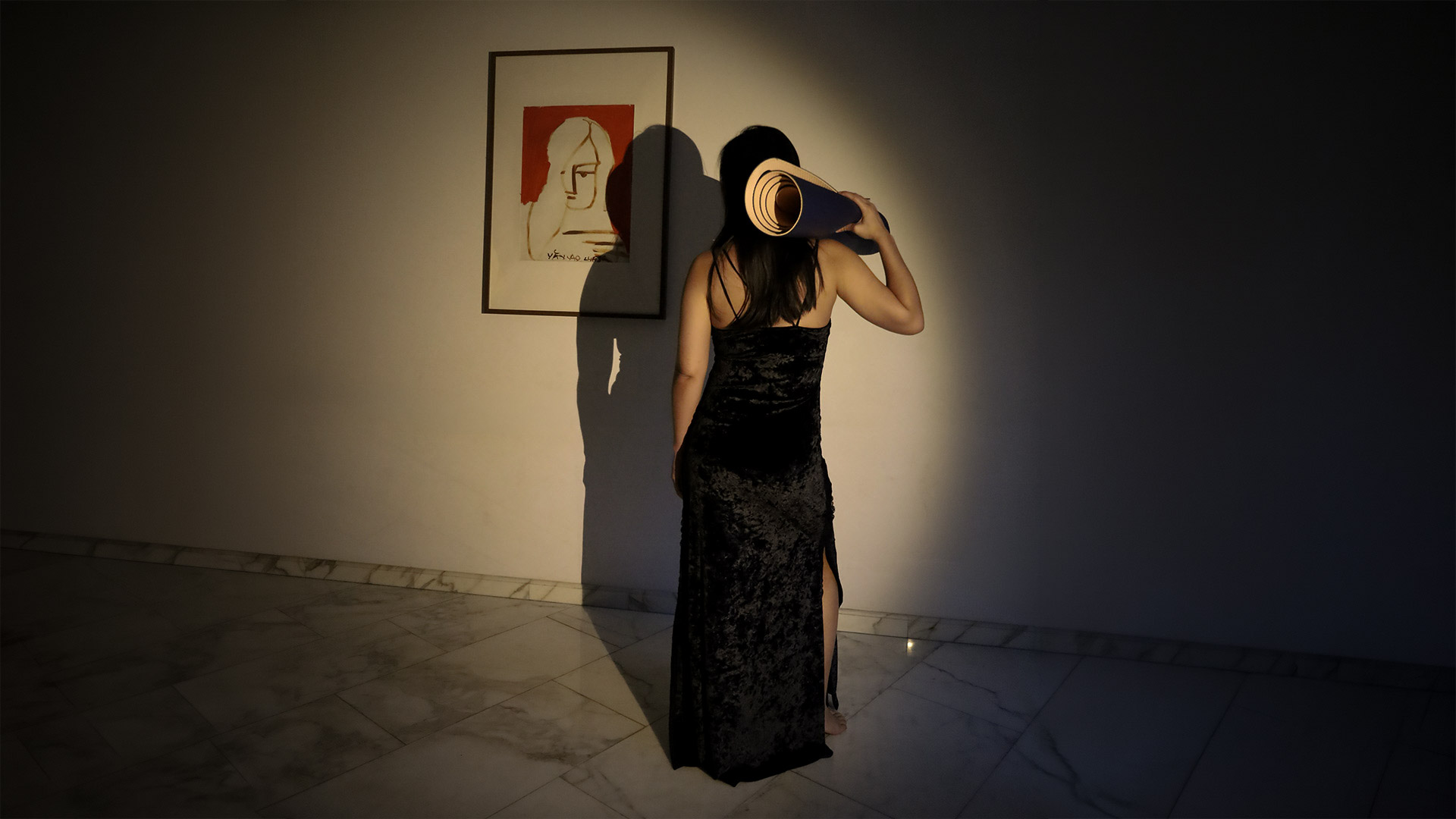
Practical guidance for performers looking to move with more ease, less strain, and greater freedom on stage.
EDUCATORS
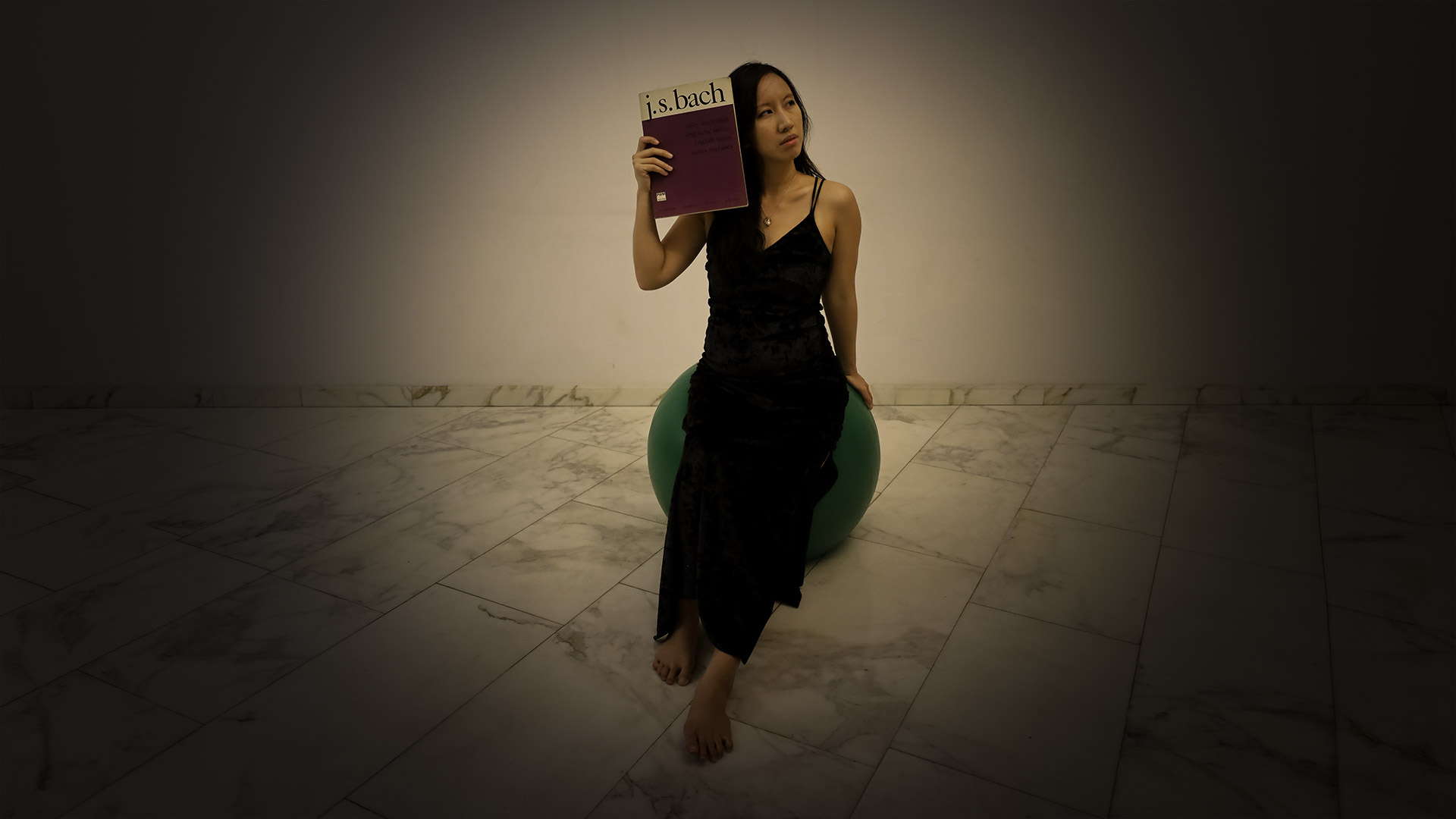
A resource for teachers who want to protect their longevity while helping students build healthy technique from the start.
INSTITUTIONS
Tailored programs — masterclasses, faculty training, and residencies — designed around the needs of your institution.